
Your Ironing Board Cover Soaked Through? The Science of Steam and Moisture Management
https://www.aregultion.com/the-ultimate-guide-to-ironing-board-performance-roi-active-technology-and-maintenance/
It’s a frustrating moment: You’re halfway through ironing a shirt when the iron’s smooth glide is suddenly replaced by a damp, sticky resistance. You touch the ironing board cover and find it’s completely soaked . Is your iron leaking? Or is your ironing board defective?
The truth is, that damp feeling is rarely due to a malfunctioning iron. It’s often a case of classic physics—specifically, condensation —and poor steam management . A damp ironing board cover can slow down your ironing, create new wrinkles, and create the risk of mold growth. Let’s delve deeper into why your ironing board cover becomes saturated and how to keep it perfectly dry through smarter material choices and usage techniques.
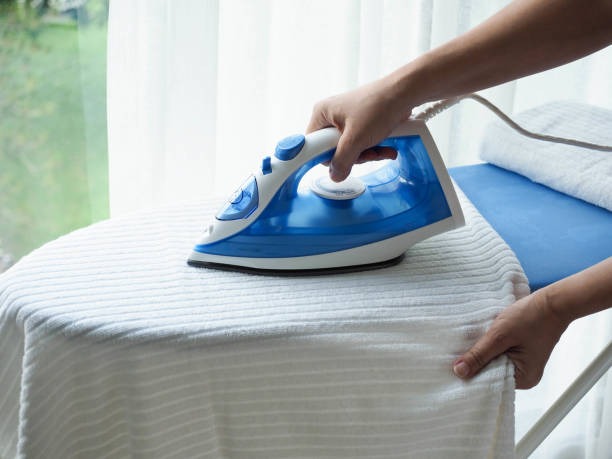
Part 1: The Science of Moisture— Condensation , Not Leaks
An ironing board cover that feels “soggy” is usually not due to water dripping onto the board, but rather moisture accumulating beneath the surface .
Condensation is the main culprit
steam from the iron comes into contact with the cooler surface of the ironing board , the moisture quickly cools and turns back into liquid water.
High-pressure steam: The iron forces high-temperature steam down through the fabric.
Temperature drop: When steam passes through the outer layers of clothing and the ironing board cover , it loses heat immediately.
Liquefaction: Steam turns back into liquid water ( condensation ) in the sponge or felt lining under the ironing board cover . The result is a damp, heavy pad.
Ironing board perforation problem
To allow moisture to escape, your ironing board’s metal plate must have enough perforations (small holes) to allow air to circulate.
Poor ventilation: If the holes are clogged, too few in number, or the board is completely solid (usually a sign of an old or cheap model), the steam has nowhere to go but downward and will quickly condense in the padding of the ironing board cover .
Active ironing boards: This is why active ironing boards (with suction fans) are so effective; they mechanically draw the steam downwards and away before it has time to condense.
Part 2: The responsibilities of an ironing board cover – breathability and material quality
A quality ironing board cover is more than just a layer of fabric; it’s an engineered system designed to handle heat and moisture.
Invest in layers: The construction of an ironing board cover
The best defense against a damp board is to choose a multi-layer ironing board cover with high breathability (the ability to allow gas to pass through) .
| Layers | Materials and uses | Role in water management |
| Top floor | Cotton, linen, or heat-reflective metallic fabrics | Allows steam to pass through easily and provides durability. |
| Middle layer (filling) | Thick, dense felt or foam | Absorbs some water but primarily provides a soft, non-marking surface. Can become saturated easily with excessive steam. |
| bottom layer | Vapor barrier (sometimes included) | Prevents moisture from reaching and corroding the metal sheet itself. |
Reflective Advantages : Silicone and Metallized Coatings
ironing board covers with a metal or silicone coating . These materials don’t absorb moisture; instead, they reflect heat and steam back onto your clothes.
Speeds up drying: By reflecting heat, they reduce ironing time and encourage moisture to remain in gaseous form (steam) longer, giving it a better chance to escape through the perforations of the ironing board .
Reduced saturation: Because heat is reflected, less heat reaches the fill, reducing the rate of condensation .
Part 3: Tips and Prevention – Keeping Your System Dry
You don’t need a new ironing board to solve your damp cover problem; you need smarter ironing techniques .
Ironing tip fix: Less steam, more heat
Adjusting the way you use your iron can immediately reduce the amount of condensation .
Turn down the steam and increase the heat: If your iron is set to medium heat but you’re pumping out maximum steam, you’re deliberately creating a rapid cooling environment— ideal conditions for condensation . Instead, try increasing the temperature setting (if the fabric allows) and reducing the steam output. A hotter iron will evaporate the moisture more quickly.
Quick lift: Don’t hold the iron down in one spot to release steam. Use continuous, sliding motions. Lifting the iron allows the steam to naturally move through the garment and dissipate, rather than being forced down into the ironing board cover .
Post-Ironing Protocol: Cooling-Off Rules
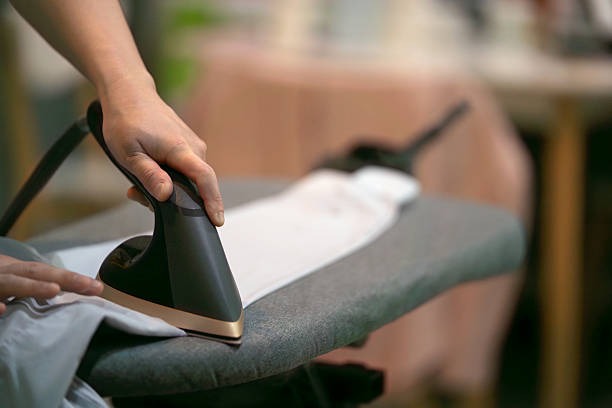
The most crucial step in keeping your ironing board dry happens after you’re done ironing .
Ten-minute drying time: Never fold or store a warm or damp ironing board . Leave the ironing board fully unfolded for at least 10 minutes to allow any trapped steam to escape and the filling to air dry completely.
Avoid storage in damp areas: Storing your ironing board in a basement, laundry room, or closet where humidity levels are high will cause the cover to passively absorb moisture, ensuring it’s damp before you even start ironing.
Conclusion: Invest in Drying
A wet ironing board cover isn’t a defect—it’s feedback from your physics experiment. By understanding that condensation is the culprit, you can take control of the situation.
The solution is two-pronged: invest in a high-quality, multi-layered, heat-reflective ironing board cover , and adjust your ironing technique to prioritize using higher temperatures and less steam, always finishing with proper cooling. This investment in knowledge and material quality is key to achieving faster, smoother, and more complete drying results.
What’s the humidity like in the room where you store your ironing board? Does it need better ventilation?
https://www.aregultion.com/the-ultimate-guide-to-ironing-board-performance-roi-active-technology-and-maintenance/


