
Say goodbye to damage: How to safely iron delicate fabrics like silk and wool on an ironing board?
https://www.aregultion.com/mastering-the-art-of-ironing-safety-ergonomics-and-care/
Ironing delicate fabrics like silk and wool requires a completely different approach – it’s more about protection than pure pressure. The wrong temperature or direct contact can cause permanent damage to the fabric, leaving shiny “burn marks” or scorching the fibers.
The ironing board plays a crucial role in the entire process: it provides a stable working surface and quick moisture management . But to iron delicate garments safely, you must combine the capabilities of the ironing board with the right ironing technique.
Here’s a guide to safe and effective ironing of silk and wool on an ironing board.
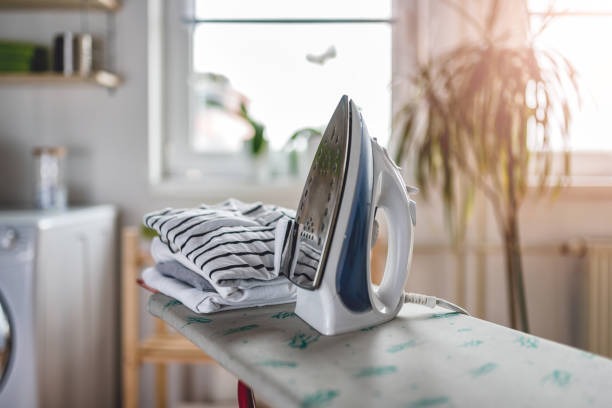
Part 1: Protective Barrier – Golden Rules for Ironing Delicate Fabrics
Whether it’s silk or wool, here are three golden rules to ensure your garments get the best possible protection on your ironing board.
Always iron the reverse side
the garment inside out is the first line of defense against direct heat damage to the surface of the fabric.
Silk: The shiny side of silk is easily worn away by the heat of an iron, leaving permanent, shiny burn marks . Ironing the reverse side of silk preserves its delicate sheen.
Wool: The pile and grain of wool can be easily flattened by direct heat and pressure, creating an unnatural impression or “shine.” Ironing the wool on its reverse side helps maintain its natural loft.
2 Essential Tools: Use a Pressing Cloth
A pressing cloth is an essential barrier for delicate fabrics when ironing. It is usually a clean, thin, colorless piece of cotton (such as an old pillowcase or handkerchief).
Function: The pressing cloth is placed between the iron and the clothes, acting as a heat buffer and preventing the metal sole of the iron from directly contacting the delicate fibers.
Correct use: Always press the iron onto the pressing cloth and move the cloth as you move the ironing area.
Ironing board cleaning requirements: avoid dirt transfer
Delicate fabrics have fibers that absorb dirt very easily. Make sure your ironing board cover is clean.
Risk: If there are old stains, dust or starch residue on the ironing board cover, these residues will be immediately transferred to your silk or woolen garments under the steam and pressure.
Tip: Before ironing silk, it is best to cover the ironing board with an extra layer of clean white cotton cloth or a thin towel to ensure that the ironing surface is absolutely clean and free of streaks.
Part 2: Fabric-specific techniques – delicate manipulation of silk and wool
Besides general protection rules, each fabric has its own unique ironing requirements.
Silk: Low temperature, humidity and “light pressure”
Silk is a protein fiber that is easily damaged by heat and water stains.
| Ironing parameters | Recommended action | Ironing board matching tips |
| Temperature settings | Set to the lowest setting (“Silk” or “Silk”) and do not exceed 100 °C. After preheating, wait for the iron to cool down before starting again. | Make sure the ironing board cover is flat to avoid any wrinkles being transferred to the silk. |
| Moisture Control | Keep it damp. It’s best to iron silk when it’s semi-dry . If it’s completely dry, use a spray bottle to slightly dampen it with purified water. | Avoid using steam. Steam can sometimes leave water spots on silk, so it’s best to apply moisture through a damp fabric . |
| Operation method | Press and lift , don’t drag back and forth. Gently press down for a second, then lift. | Quickly vents moisture. The air holes on the ironing board allow excess moisture to escape immediately, preventing the silk fibers from absorbing too much water. |
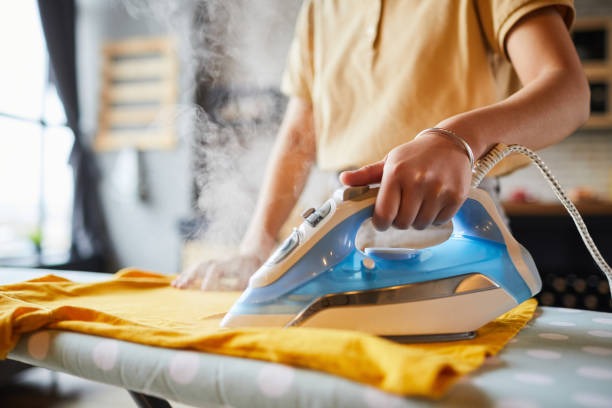
Wool: Medium temperature, damp cloth, and steam setting
Wool fibers have good elasticity, but they tend to become “light” or stretched out of shape at high temperatures.
| Ironing parameters | Recommended action | Ironing board matching tips |
| Temperature settings | Medium temperature (“Wool” or gear) , no more than | Use the pointed end of the ironing board to iron the inside of the cuffs or collar for precision. |
| Moisture Control | Always use a damp cloth! Soak a pressing cloth in water, wring it out thoroughly, and then place it over the wool garment. Use the steam function of your iron over the damp cloth. | Use steam to “set” the style. The steam penetrates the damp cloth, helping the wool fibers relax and regain their shape. The ironing board provides a firm foundation for setting the style. |
| Operation method | Apply pressure vertically without sliding. Avoid dragging the iron back and forth, which can stretch or damage the wool fibers. After pressing down firmly, lift vertically and move to the next area. | Protect the suede. If your iron is made of suede wool (like flannel), place a thick towel on the ironing board to provide additional cushioning and prevent the suede from being flattened. |
Conclusion: Patience is the best ironing tool
The key to safely ironing delicate garments is heat isolation and moisture management . Think of your ironing board as a stable, clean work surface, and use pressing cloths and lower temperatures to protect the fibers.
a steamer is generally a safer option for silk and wool than a traditional iron. If you insist on using an iron, patience, low heat, and a damp cloth are the golden triangle to ensure your garment retains its luxurious texture.
Which delicate fabric do you most often encounter problems with ironing? Water spots on silk or shiny marks on wool?
https://www.aregultion.com/mastering-the-art-of-ironing-safety-ergonomics-and-care/


