
Growing Up in the Heat: A Complete Guide to Teaching Your Kids to Iron Safely and Fun
https://www.aregultion.com/mastering-the-art-of-ironing-safety-ergonomics-and-care/
Introduction: Ironing: A Declaration of Independence Beyond Housework
As parents, we all hope our children grow up to be self-sufficient adults. With life skills education increasingly valued, the value of ironing is severely undervalued. It’s more than just about removing wrinkles; it also cultivates fine motor coordination, concentration, and a sense of responsibility for one’s appearance .
However, ironing involves heat, steam, and electrical cords, so safety is a prerequisite for any instruction. You can’t simply hand them your old iron and wobbly ironing board. You need the right tools and a structured approach .
This article provides a step-by-step, safety-focused guide, explains how to assess your child’s readiness, and reveals which ironing boards and iron functions are the best and safest choices for getting started .
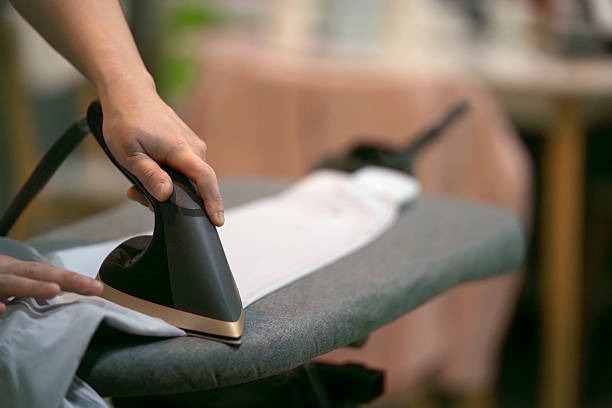
Lesson 1: Basic Safety – Assessing Your Child’s Ironing Readiness
Handing a hot metal object to a child is a big deal. Before you begin, honestly assess your child’s maturity and the safety of the environment.
When to start? Maturity assessment beyond age
While most children can start learning ironing around the age of 10 to 12 , the real key lies in mental maturity :
Height and posture: Your child must be able to adjust the ironing board to their elbow height and operate it comfortably without standing on tiptoe or bending over. The wrong height not only affects the results but also poses a safety hazard.
Concentration Test: Children must be able to understand and follow the ” no distractions while on task ” rule. If their attention wanders frequently, delay the lesson.
High temperature risk awareness: They must understand the dangers of irons and steam, and know that slow and careful work is more important than fast.
Three iron laws of safety that must be adhered to
Regardless of the equipment you choose, these rules must form the basis of home ironing:
child’s eyes on the iron: Once the iron is plugged in, the child must keep an eye on it at all times. Even if it’s just to answer a phone call or pick up a piece of clothing, the child must unplug it first .
Parking position: When ironing is paused, the iron must be upright or placed safely on the iron rack , and must never be placed flat on the ironing board cover.
Cord Management: Teach your child to keep the cord hanging or away from the work area, so it doesn’t drag on the ground and can cause them to trip or pull on the iron when turning or moving.
Lesson 2: Ironing Board – A Stable Platform for Beginners
Children apply unstable force when ironing, and a board that shakes even when used by adults is a huge safety hazard for them.
Stability: The first requirement for a child’s ironing board
Sturdy support: Look for a thick steel or aluminum frame , preferably with X-shaped reinforcements . The ironing board must remain stationary even when a child applies pressure.
Non-slip base: Make sure the legs have thick, non-slip rubber feet on the bottom . This will prevent the ironing board from slipping on slippery kitchen or laundry room floors.
Ergonomics: adapting to the growth of children
Wide adjustment range: This is crucial. Children grow quickly and the ironing board must be able to be adjusted to their elbow height at all times to ensure they maintain a correct and safe posture.
Easy-to-operate latches: Choose one with a simple, secure latch mechanism that allows your child to adjust the height independently and effortlessly.
Must-have additional features
Integrated iron rack: This is a must. It provides a heat-resistant, safe, and dedicated area to store a hot iron, eliminating the urge for children to put the iron on fabric.
Lesson 3: Iron – Choose Lightweight and Smart Safety
When choosing an iron for your child, focus on portability , smart power off , and a simplified steam function.
Essential security and usability features
Automatic power off: This is a lifesaver. It automatically cuts off the power supply when the iron is left in an upright position for a long time, or when it is laid flat . This is the ultimate protection against the risk of fire and burns.
Lightweight design: Choose an iron that’s just the right weight. If it’s too heavy, your child won’t be able to control it for long periods of time, but if it’s too light, it won’t be effective. A light, balanced design will help them maintain more stability and control their direction.
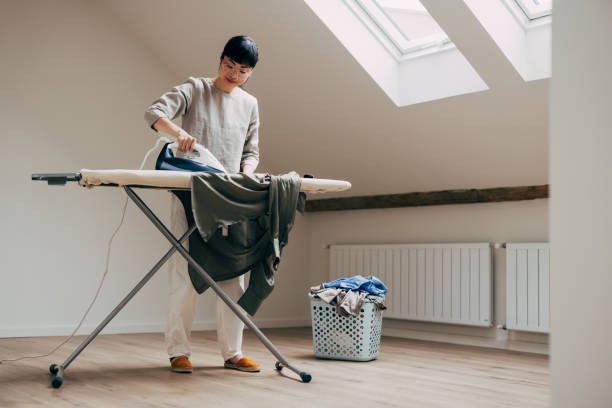
Step-by-step steam guide
Start with dry ironing: In the early stages of teaching, please do not add water to the iron . Using the dry ironing mode can prevent children from getting steam burns due to improper operation.
Steam Instructions: Once your child has mastered dry ironing, gradually introduce steam. Clearly instruct them on how to use the steam button and emphasize that they must always keep their hands away from the steam vent.
Cultivate good habits: sort by fabric
Teach your child to start ironing low-temperature fabrics (such as synthetic fibers and silk) and gradually move on to high-temperature fabrics (such as cotton and linen). This not only protects the clothes but also teaches them to distinguish between fabric properties and heat tolerance, which is a professional ironing skill.
Summary and reflection :
Teaching your child to iron is an important investment in their future independence. By choosing a sturdy, height-adjustable ironing board with a safety shelf , and an iron with an automatic shut-off function , you’ve created the safest environment for them to learn.
Incorporating the adult chore of ironing into family life is a powerful way to cultivate children’s sense of order, responsibility and self-confidence.
In your opinion, when teaching children a risky life skill like ironing, what is the most difficult part as a parent: letting them try it or ensuring the tools are absolutely safe?
https://www.aregultion.com/mastering-the-art-of-ironing-safety-ergonomics-and-care/


