
5 Ironing Board Myths Debunked: Can They Really Be Used as Kitchen Potholders?
https://www.aregultion.com/the-ultimate-guide-to-modern-ironing-boards-debunking-myths-and-mastering-garment-care/
The ironing board , a foldable metal stand tucked away in a corner of most homes, is often used primarily for ironing clothes. However, many myths surround its use, lifespan, and versatility .
From whether you can place a hot pan directly on it to how to effectively use its tiny tip, these myths affect your ironing efficiency and the lifespan of your tool. Understanding the structure and science behind your ironing board will help you maximize its potential.
This article will debunk the five most common myths about ironing boards and help you use and maintain this underrated household helper correctly and safely.
Part 1: Myths about Functionality and Safety
Myth 1: An ironing board can be used to hold hot pots or as a “trivet.”
the truth: It shouldn’t.
In-depth analysis: Ironing boards are designed to withstand the dry heat of an iron and absorb steam . Their core structure is a perforated metal mesh , covered with padding (usually foam or felt) and a fabric cover (usually cotton or synthetic fiber).
Temperature limit: The maximum temperature of an iron is usually around 10000 psi. A cast iron pan or baking sheet just off the heat may be much hotter than this, and the heat dissipation area is larger and lasts longer.
Fire risk: Even cotton ironing board covers are flammable . If a hot pan burns through the fabric and foam backing and contacts the expanded metal mesh underneath, it could cause permanent damage and pose a fire or burn hazard.
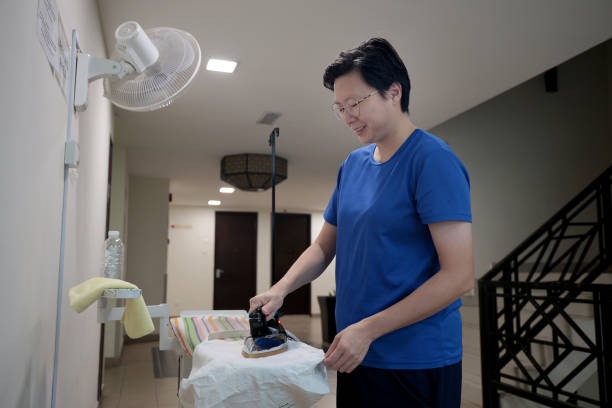
Safety Tips: Never place a hot pan directly on the ironing board. Use a professional metal or silicone potholder instead .
Myth 2: Ironing boards should be placed with their tip facing down for greater stability.
the truth: It depends on personal preference, but using it with the tip pointing up is more ergonomic.
In-depth analysis: Manufacturers design ironing boards with pointed ends to make ironing difficult areas like collars, cuffs, and shirt shoulders easier. Positioning the board with the tip facing the ironer allows for a more natural way to pull the garment over it.
Stability: Modern ironing board legs are designed to provide stability whether the ironing board is facing up or down. Many people simply position the ironing board with the tip facing down out of habit or for ease of storage (like against a wall).
Part 2: Myths about efficiency and lifespan
Myth 3: Wrinkles and stains on the ironing board have no effect on the clothes when ironing.
the truth: They have a big impact, especially on dark or delicate fabrics.
In-depth analysis: Your ironing board cover is the “reverse mold” of the ironing process.
Wrinkles: If the cover is not flat or is loose, the wrinkles in the cover may be transferred to your garment by the high temperature of the iron when pressure is applied.
Stains: Old stains on the ironing board (such as starch residue, dust or burn marks) may dissolve or sublimate under the action of high temperature and steam and transfer to the clean clothes you are ironing , causing secondary pollution, especially when ironing white or light-colored clothes.
Myth 4: The thicker the ironing board cover, the better the cushioning.
the truth: The right thickness and density are more important than thickness alone.
In-depth analysis:
Too thin: Not enough cushioning, you’ll feel the metal mesh underneath, and it may even be printed on clothing.
Too thick/too dense: Blocking steam flow. The metal grid beneath the ironing board is designed to allow steam (and moisture) to dissipate quickly. Padding that’s too thick or too dense can trap steam, causing moisture to build up, resulting in poor ironing results and potentially damaging the board.
Ideally, the padding should be resilient (such as wool felt or thick foam) to provide a soft surface while allowing steam to pass freely.
Myth 5: There is no functional difference between a cheap ironing board and an expensive professional board.
the truth: They differ significantly in durability, structural stability and core functionality.
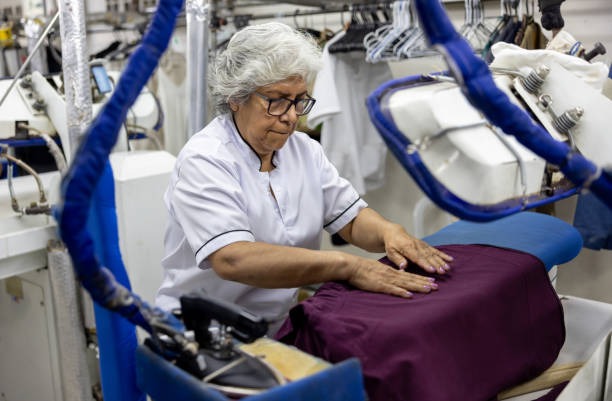
In-depth analysis: Professional ironing boards (such as those included with high-end steam stations) often have the following advantages, which directly affect the quality of ironing:
Structural stability: Made of thicker steel and stronger legs, it won’t wobble under heavy pressure , which is crucial for ironing suits, coats and other clothing that requires gravity.
Additional functions: with heating function (active drying plate cover) or vacuum suction function (to suck the clothes to the surface to prevent sliding and wrinkling).
Surface area: A wider, longer surface area means you can iron more clothes and reduce the number of times you have to reposition clothes, thus improving efficiency.
in conclusion:
There’s more to ironing boards than you think. Avoid using them as a potholder, keep the cover clean and flat, and understand the importance of the padding in steam management to make your ironing more efficient.
Have you ever used your ironing board incorrectly because of these myths? What details will you pay attention to next time you iron?
https://www.aregultion.com/the-ultimate-guide-to-modern-ironing-boards-debunking-myths-and-mastering-garment-care/


