
Decoding the ROI of ironing boards: Why a cheap, wobbly ironing board can cost you more than just money
https://www.aregultion.com/the-ultimate-guide-to-ironing-board-performance-roi-active-technology-and-maintenance/
Introduction: The Forgotten Tool in Your Cost Analysis
When we evaluate household appliances, we scrutinize the lifespans of refrigerators, washing machines, and even irons. But ironing boards —the quiet supporting players and stage set in the ironing drama—are often viewed as disposable, bought cheaply and replaced the moment they start to wobble.
That’s a mistake. A truly high-quality ironing board is a direct investment in your efficiency and durability . While the cover and padding are consumables (just like the filter in your HVAC), the structural core should provide a much longer-lasting return.
the return on investment (ROI) of an ironing board by analyzing its life expectancy and identifying some of the key features that determine whether it will last a year or decades .
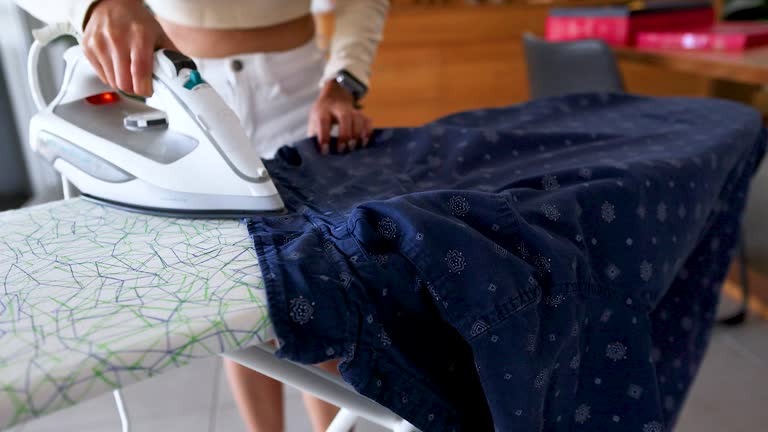
Part 1: Distinguishing between structural life and consumable life
When we discuss how long an ironing board “should” last, we need to distinguish the frame from the fabric .
Frame: Designed for lifelong use
The metal frame and folding mechanism of a high-quality ironing board is essentially a sturdy, stationary piece of furniture. With proper care, its structural lifespan should be measured in decades .
Life expectancy (premium): 10 to 20 years, possibly even longer (reaching the “buy for life” level).
Deciding Factor: Durability depends on the thickness of the steel used for the legs and frame , as well as the joint construction . High-quality ironing boards typically use thicker tubing and rely on bolts and nuts rather than cheap, unrepairable rivets. This means you can easily tighten joints or replace small parts, ensuring your ironing board remains stable and shaky for years to come .
Plate sleeves and gaskets: recurring maintenance costs
The plate covers and the felt or foam padding underneath are the true consumables. Their lifespan depends on how often you use them, the heat levels you use them to, and how well you manage your steam.
Plate sleeve life expectancy (weekly use): Typically 1 to 5 years. Experts generally recommend that frequent users replace them every 3 years to maintain optimal performance and hygiene.
Gasket Life Expectancy: The gasket should ideally be replaced when the plate cover is replaced, or when it loses its elasticity and resilience (becomes thin or compressed).
Smart Investment Tip: Investing in durable, scorch-resistant plate covers and quality padding (such as thick wool felt) can reduce the frequency of replacements, thereby lowering the overall annual cost of ownership.
Part 2: The Hidden Value of Quality in Time and Money
A regular $20 ironing board might seem like a good deal, but if it wobbles, bends, and requires you to constantly reposition your clothes, its true cost is in wasted time and poor results.
Time-saving ROI due to H stability and surface area
When you do a cost-benefit analysis (CBA), the time saved by a quality ironing board quickly outweighs its higher initial price.
The “wobbly tax”: A wobbly ironing board forces you to be less aggressive, often requiring more passes to iron out wrinkles. It also requires you to constantly re-steady yourself, interrupting your ironing flow.
Surface area advantage: Premium models are typically wider (up to 18 inches ). Some manufacturers estimate that a wider surface can save you up to 33% on each ironing session because it significantly reduces the need to reposition bulky items like shirts, pants, or sheets.
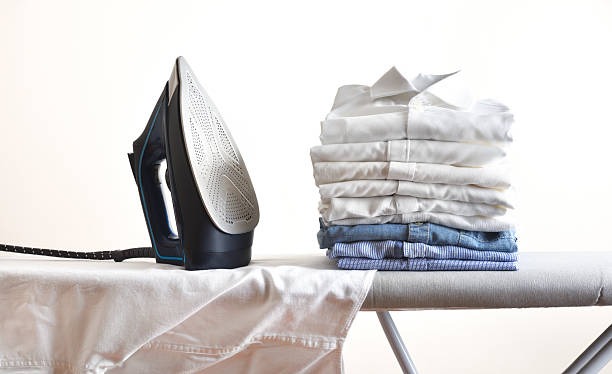
Do the math: If you iron for an hour a week, saving 20 minutes each time, you’ll save nearly 18 hours a year . You just bought yourself an extra weekend.
H2. Safety and Ergonomics: ROI Difficult to Quantify
High-end ironing boards incorporate design features that prevent injury and long-term strain—a return on investment that’s hard to put a dollar value on.
Reliable safety locks: High-quality ironing boards come with reliable height adjustment locks and transport locks to prevent the ironing board from accidentally collapsing – a major safety hazard, especially in homes with children.
Ergonomic Design: Superior height adjustability, typically up to 38 inches , ensures the ironing board can be set to your exact standing height . This simple feature can prevent back strain and fatigue caused by having to hunch over to use a cheap ironing board that’s too low.
in conclusion:
The difference between a cheap ironing board and a high-quality model is that the former is a consumable item , while the latter is a long-term household fixture . While you have to factor in the small, recurring cost of replacing the cover and padding, the core structure of a well-made ironing board should provide decades of stable, efficient service.
a lower cost per use over 10-20 years , saving you time and stress.
Given the potential for multigenerational use and the value of your own time, are you willing to view your next ironing board purchase as a permanent investment rather than a quick fix?
https://www.aregultion.com/the-ultimate-guide-to-ironing-board-performance-roi-active-technology-and-maintenance/


